
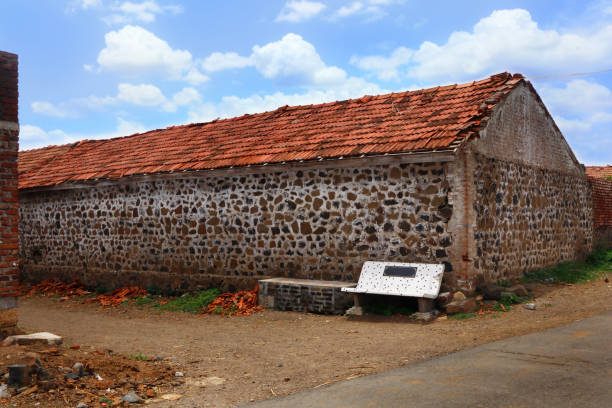


parapet wall design in village
Village homes and other structures benefit from the practical and decorative features of parapet walls, which are frequently found in rural architecture. Parapet walls, which were originally employed as protective barriers at the edge of roofs, terraces, or balconies, have changed over time to accommodate local aesthetics and functional requirements. These walls, which represent regional materials, cultural influences, and climatic circumstances, are a crucial component of housing designs in communities. The importance of parapet wall designs in village architecture, their historic styles, and their adaptation to contemporary requirements are all examined in this article.
The main purpose of parapet walls in many villages is to stop accidents like people or animals falling off terraces or rooftops, which are typical elements of rural residences. These barriers are especially crucial in flat-roofed residences, as terraces are frequently used as outdoor areas for social events, material storage, and crop drying. Because it is strong and sufficiently high, a parapet wall gives the open areas above a sense of enclosure while also offering safety. In addition to providing safety, these walls aid in regulating the flow of rainwater and wind, which otherwise could harm the house’s inside and roof.
Village parapet wall designs vary widely based on local architectural traditions and the materials that are available. Local resources like stone, clay bricks, mud, or even bamboo are used to construct the walls in many rural locations. Sometimes, to keep the overall design consistent, the walls are just made of the same material as the rest of the house. Wooden parapet walls, which provide a natural, rustic look, are also typical in places with an abundance of timber. These materials represent the village’s natural resources and cultural legacy in addition to offering strength and durability.
The use of traditional patterns and ornamental components is one of the characteristics that set parapet walls in village dwellings apart. For example, the parapet walls in areas renowned for its colorful craftsmanship could have carvings, motifs, or decorative patterns that are frequently based on religious or natural symbols. For instance, stone parapets with geometric patterns or carved wooden parapets with elaborate decorations are typical in various regions of India. What might otherwise be a strictly functional piece is transformed into a manifestation of local craftsmanship by these ornamental touches, which give the rural landscape a sense of beauty and individuality.
Depending on the environment and practical requirements, village residences may have different parapet wall heights and thicknesses. The walls are usually thicker and higher in hotter, drier areas to offer shade and shield against strong sunlight. By decreasing heat absorption on the roof, the extra height can also assist keep the house’s interior cooler. Parapet walls are intended to divert water flow away from the roof and keep it from entering the house in areas with high rainfall. This straightforward but efficient architectural solution is essential to preserving the roof’s longevity and shielding the house from water damage.
The design of parapet walls in village dwellings has changed to use modern materials like steel, concrete, and cement as a result of the introduction of modern construction techniques. Compared to conventional mud or brick parapets, these materials offer improved strength, longevity, and low-maintenance solutions. Even Nevertheless, a lot of villages still maintain traditional parapet patterns, either by keeping them in ancient buildings or incorporating them into new ones. A balance between legacy and utility is achieved by combining modern materials with traditional aesthetics, guaranteeing that the design stays grounded in the local culture while satisfying current demands.
In conclusion, village dwellings’ parapet walls have a variety of uses, ranging from practicality and safety to aesthetic appeal and cultural expression. With materials and designs that are frequently exclusive to the local area, the design of these walls exhibits a tasteful fusion of functionality and heritage. In villages, parapet walls—whether constructed of stone, brick, wood, or contemporary materials—remain crucial to preserving the structural soundness of houses and enhancing the allure of rural architecture. The parapet wall design is still a crucial component of villages as they develop, bridging the past and present while guaranteeing the security and comfort of rural homes.