


If you’ve ever wandered into a construction site or scrolled through a DIY steel project forum, you’ve probably seen people throw around terms like “H beam” and “I beam” like they’re interchangeable. But trust me, they’re not. And if you’re about to lay down some serious cash or just trying to sound like a pro at your next hardware store visit, knowing the difference actually matters.
So, let’s talk about h beam vs i beam in a way that won’t make your eyes glaze over. Spoiler: it’s less about shapes and more about what you need it to do.
Shapes That Mean Something
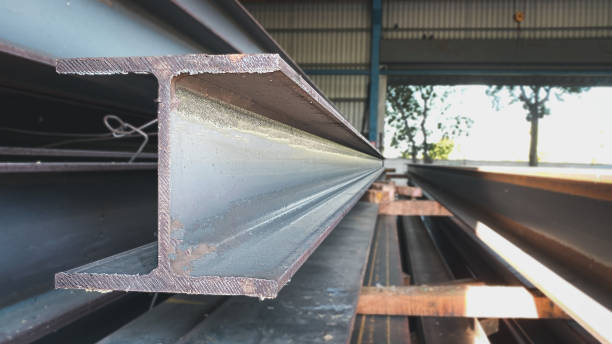
At first glance, H beams and I beams might look like twins separated at birth. I mean, both are basically steel beams with flanges at the top and bottom, right? But here’s the catch: H beams are chunkier, heftier, and the flanges are wider. Picture a capital “H” — that’s literally where they got the name. I beams, on the other hand, are more like a skinny “I” or a tall, elegant bookshelf. The flanges are thinner, which makes them lighter but also a bit less versatile when it comes to carrying crazy loads.
Honestly, I remember the first time I saw an H beam in person. It was like staring at a giant steel sandwich — just massive and solid. Meanwhile, the I beams looked more like those thin rulers you’d use in school, but made of steel and probably capable of holding an entire room if installed right.
Load-Bearing: Why It Really Matters
Here’s where most people screw up. Just picking a beam because it “looks strong” is like buying a sports car because it’s red — not exactly the smartest move. H beams are built to handle heavier loads. They’re your go-to when you’re building bridges, high-rise floors, or anything where a failure would make your life flash before your eyes. I beams are great too, but think smaller-scale stuff — lighter floors, small buildings, and projects where you don’t need the weight of an elephant resting on your beam.
And yes, I’ve seen forums explode with arguments over this. Some folks swear by I beams for everything because they’re cheaper and easier to work with. Others call H beams the “safety blanket” of construction. Honestly, both have their moments. It’s like comparing SUVs to sedans — one’s built for rugged hauling, the other for zipping around the city.
Cost and Availability: The Sneaky Factor
I won’t lie, H beams are usually a bit more expensive. Steel isn’t cheap to begin with, and when you’re dealing with the sheer mass of an H beam, the price tag climbs fast. I beams can be found in most hardware shops and are usually easier to transport because, well, they’re lighter.
Funny story: my cousin tried to move an H beam with his pickup once. Let’s just say the truck didn’t make it to the end of the driveway. Lesson learned: size matters, and H beams are not something you casually drag around.
Versatility and Installation
Here’s a niche fact you don’t see on Pinterest: H beams are more flexible when it comes to design. Because of their thicker flanges, they can span longer distances without bending. I beams might need extra support or more precise calculations to do the same. If you’re someone who likes experimenting with unconventional designs — say a loft with a floating steel floor — H beams might save you some headaches.
But I beams aren’t useless. They’re lighter, easier to weld, and if you’re building a home office extension or a small garage, they’ll do the job perfectly. Think of H beams as the heavy-duty workhorse and I beams as the nimble sprinter.
Real-World Social Media Buzz
Scrolling through construction and architecture subreddits or even TikTok, there’s always chatter about H beam vs I beam. Some engineers post these insane bending tests, and people comment like it’s the newest Marvel showdown. Honestly, it’s kind of fun seeing a debate over a steel beam get more likes than my morning coffee post.
Final Thoughts
So, when it comes to h beam vs i beam, it really boils down to what your project demands. If you need brute strength, stability, and longevity, go H beam. If you want something lighter, easier to handle, and cost-effective for smaller projects, an I beam will do the trick.