
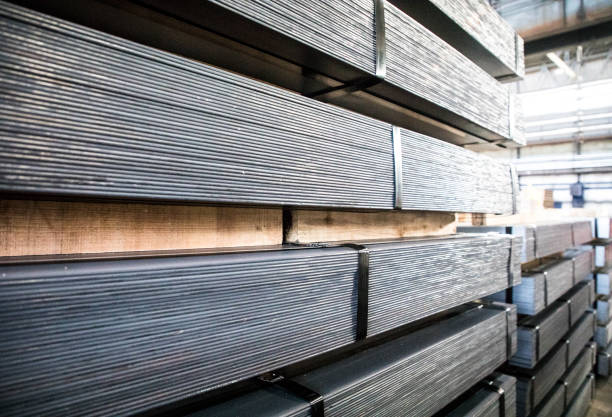


I didn’t plan to write this thinking about steel, but here we are. Funny how some materials just quietly run the world while everyone’s busy arguing on Twitter about crypto or AI taking jobs. Steel is one of those things. You don’t notice it until something bends, breaks, or costs way more than you expected. First time I heard about Ms flat, I honestly thought it was just another boring industrial term. Like something engineers throw around to sound smart. Turns out, it’s way more involved than that, and yeah, I was wrong at first.
Steel, especially the mild steel kind, is kind of like the white bread of construction. Not fancy, not Instagrammable, but everywhere. You’ll see it holding buildings together, shaping machines, hiding inside furniture frames. Nobody brags about it, but if it vanished tomorrow, half the stuff around us would just collapse or stop working.
Why mild steel still wins despite the hype around “advanced” materials
Every few months there’s some online buzz about carbon fiber this, titanium that. You see reels comparing strength-to-weight ratios and suddenly everyone thinks steel is outdated. That’s social media for you, exaggerating everything for clicks. But in the real world, mild steel still wins because it’s predictable. Predictable is underrated.
Mild steel bends before it snaps. That sounds simple, but it’s huge. In construction and fabrication, you actually want warning signs before failure. Brittle materials don’t give you that courtesy. Steel does. I once spoke to a fabricator who said working with mild steel is like working with a calm coworker. Not dramatic, doesn’t overreact, just does the job.
There’s also cost. People forget that affordability matters. A niche stat I came across (and honestly double-checked because it sounded fake) is that mild steel still accounts for over 70 percent of total steel usage globally. That’s not because companies are lazy. It’s because it works, scales well, and doesn’t drain budgets dry.
How flat steel quietly shapes everyday products
Flat steel products don’t get enough credit. Everyone notices shiny pipes or massive beams, but flat sections are everywhere. Desks, shelves, industrial racks, brackets, even parts of vehicles you’ll never see unless something breaks. It’s like the background actor who appears in every movie but never gets a name.
I remember assembling a cheap metal table once and thinking, this thing feels flimsy. Then I noticed the flat steel support underneath. That thin strip was doing most of the heavy lifting. Kind of humbling, honestly. Steel doesn’t need to be thick and dramatic to be useful.
Online forums sometimes argue about thickness and tolerances like it’s a personality trait. But what matters more is consistency. Flat steel gives that. It’s easy to cut, weld, drill, and mess up slightly without ruining the entire piece. And yeah, people mess up a lot more than they admit.
Pricing, trends, and the weird mood swings of the steel market
Steel prices are emotional. One policy change, one shipping issue, and suddenly everyone’s panicking on LinkedIn. I’ve seen posts where suppliers act like the world is ending because prices moved a few percent. But if you zoom out, mild steel has stayed relatively stable compared to many materials.
There’s also this quiet shift toward local sourcing. After supply chain chaos a few years back, buyers became less obsessed with the cheapest option and more focused on reliability. That’s where flat steel suppliers who can deliver consistent quality started gaining trust. Nobody wants to halt a project because a shipment is stuck somewhere offshore.
A lesser-known thing is how recycling plays into this. Mild steel is one of the most recycled materials on earth. Something like 90 percent recyclability in many regions. That’s wild when you think about it. The steel in your building might’ve been a car once. Or a washing machine. Slightly creepy, but also kind of cool.
The practical side people don’t talk about enough
Here’s a small confession. I used to think all steel was basically the same. Gray, heavy, boring. Then I watched a workshop up close. The way mild steel responds to heat, how it changes color, how welders can almost read it like a mood ring. That’s when it clicked.
Flat steel products are forgiving. That’s why small workshops love them. You don’t need million-dollar machines to work with it. A decent setup, some experience, and you’re good. That accessibility is a big reason it’s still everywhere, especially in developing markets.
There’s also less waste. When cuts are planned well, offcuts can still be reused. That matters more now than it did ten years ago, even if companies don’t like admitting it publicly. Sustainability is trendy, but steel was quietly sustainable before it became a buzzword.
Wrapping my thoughts before I overthink it
Steel isn’t glamorous. It won’t trend on social media unless something goes wrong. But it’s honest. Flat steel in particular just does its job without demanding attention. Maybe that’s why it’s easy to overlook.
If you’re dealing with fabrication, construction, or even small-scale manufacturing, understanding materials beyond surface-level buzz helps more than people realize. I learned that the slow way, by underestimating simple materials and then paying for it later. If there’s one thing I’d tell someone starting out, it’s to respect the basics.
And yeah, I’ll say it again without pretending I’m an expert. Ms flat isn’t just another product name floating around supplier websites. It’s one of those quiet essentials that keep projects grounded, budgets sane, and structures standing. Not flashy, not perfect, but very real.