


Imagine opening a game on your phone during a short break. Within seconds, you enter a digital world filled with challenges, characters, and people from different parts of the globe. You might spend a few minutes competing with friends, watching a livestream, or exploring a new virtual environment. What seems like an ordinary entertainment experience, however, is connected to a much larger economic system involving software developers, content creators, advertisers, hardware manufacturers, event organizers, and countless other professionals.
This is what makes the gaming economy so fascinating. It is no longer simply about selling a game and hoping people enjoy it. Gaming has become a meeting point for technology, entertainment, communication, and commerce, creating opportunities that extend far beyond the screen. A single game can inspire a community, support a content business, encourage the development of new technology, and introduce brands to audiences they might never reach through traditional advertising.
For players, this transformation means more ways to participate in digital entertainment. For entrepreneurs, it presents new questions about what people value and how those needs can become sustainable business opportunities. Understanding the gaming economy begins with recognizing that the game itself is only one part of a much larger story.
Technology Is Changing the Way Games Become Businesses
Technology provides the foundation of the modern gaming economy. Improvements in internet connectivity, mobile devices, graphics processing, cloud infrastructure, and online payment systems have changed how people access and experience games. Players can now participate in digital communities without necessarily owning expensive gaming equipment or living near a physical gaming venue.
Mobile gaming offers a particularly interesting example. A smartphone that people already use for communication, entertainment, and everyday tasks can also become a gateway to multiplayer competitions, interactive stories, and casual games. This accessibility allows developers to reach different audiences and experiment with business models suited to their users.
Cloud gaming introduces another possibility by allowing supported games to run through remote infrastructure rather than relying entirely on a powerful local device. Although performance, availability, and subscription costs vary, the technology illustrates how gaming companies continue to explore alternative ways of delivering entertainment.
Artificial intelligence is also influencing game development and related services. Developers can use AI-assisted tools for certain production tasks, testing, and workflow improvements. Meanwhile, creators may use similar technologies to support research, editing, or content planning. These tools can help teams work more efficiently, but they do not eliminate the need for human judgment, creative direction, and quality control.
Technology creates possibilities, yet successful businesses still need to solve real problems. A sophisticated platform means little if it fails to provide a compelling experience. The strongest RAJAPANEN gaming businesses combine technical capability with an understanding of what players actually want.
Entertainment Has Become an Experience People Share
Gaming has evolved from an activity that people often enjoyed individually into a form of entertainment that can be watched, discussed, and experienced collectively. Livestreams, gameplay videos, online tournaments, and gaming communities have expanded the ways people interact with their favorite titles.
Consider someone who enjoys a competitive game but does not have time to play every day. They might still follow professional players, watch tournament highlights, or join discussions about recent updates. Another person might prefer humorous commentary or videos that explain difficult game mechanics. Both individuals participate in the gaming ecosystem, even though their habits are different.
This creates opportunities for content creators who understand their audiences. A creator does not necessarily need to be the best player in a community. Some succeed by explaining complicated strategies in simple language, while others build an audience through storytelling, personality, humor, or thoughtful analysis.
Potential revenue sources include advertising, sponsorships, subscriptions, memberships, and sales of original products, depending on platform eligibility and audience demand. However, these opportunities require more than publishing content regularly. Creators must develop a recognizable style, maintain audience trust, and adapt when viewing habits change.
The deeper lesson is that entertainment increasingly involves participation. People do not always want to consume a finished product and move on. They may want to discuss it, share their experiences, learn from others, and become part of a community. Businesses that understand this social dimension can create experiences that extend beyond the original game.
The Business Opportunities Extend Beyond Playing
When people think about gaming as an industry, they often picture developers or professional players. In reality, a wide range of supporting businesses helps the ecosystem function.
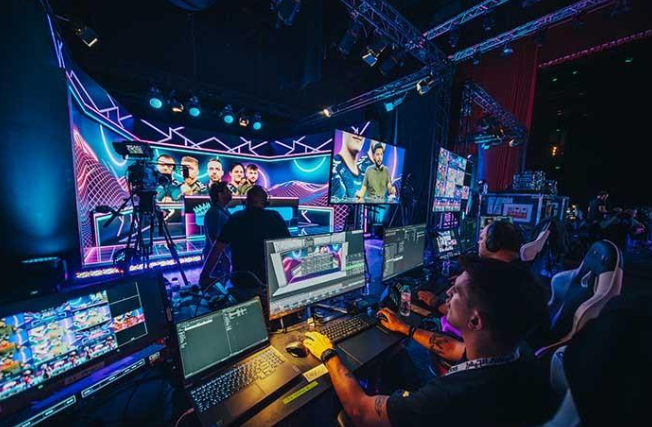
A gaming company may need graphic designers, writers, translators, sound specialists, marketers, software testers, customer support teams, and community managers. Content creators may need video editors, thumbnail designers, branding consultants, and technical assistance. Tournament organizers require event planning, registration management, promotion, and reliable production services.
These roles demonstrate that a person does not have to build a game to participate in the gaming economy.
For example, a freelance designer could specialize in visual identities for gaming creators. Instead of offering general graphic design to every possible client, the designer could focus on stream graphics, channel branding, and promotional materials. A writer might develop a publication dedicated to explaining gaming trends, reviewing new releases, or helping beginners understand complex mechanics.
The advantage of specialization is clarity. When customers understand exactly what a business offers and whom it serves, they can more easily decide whether the service meets their needs.
Entrepreneurs can also explore digital products, such as original templates, educational resources, or software tools. These products may be distributed online and reach customers across different regions. Nevertheless, they still require careful development, marketing, customer support, and respect for copyright and licensing requirements.
The most promising opportunities often emerge when someone identifies an overlooked need and provides a practical solution.
Digital Communities Have Their Own Economic Value
One of the most important elements of gaming is the sense of belonging it can create. Players join teams, exchange advice, celebrate achievements, and develop friendships through shared interests. Over time, these interactions can form communities with their own culture, expectations, and preferred ways of communicating.
From a business perspective, a healthy community can help a game remain relevant long after its initial release. Players may continue discussing strategies, creating videos, organizing events, and welcoming newcomers. Their participation can generate interest that extends beyond the company’s direct marketing activities.
Businesses can support these communities through organized events, useful educational content, appropriate sponsorships, and tools that make participation easier. Independent organizers might arrange community competitions, while experienced players could offer permitted coaching or educational sessions.
However, community building is not simply a marketing technique. People join because they want entertainment, connection, information, or a place where their interests are understood. Treating every interaction as an opportunity to sell something can undermine the trust that makes a community valuable.
A more sustainable approach begins with listening. What questions do members repeatedly ask? Which activities bring people together? What problems make participation difficult? Answers to these questions can help businesses develop services that feel relevant rather than intrusive.
In a crowded digital environment, trust and belonging can become meaningful advantages. They cannot be created overnight, but they can encourage people to return and participate over time.
Advertising and Partnerships Connect Gaming With Other Industries
The gaming economy also creates opportunities for businesses that are not directly involved in making games. Technology companies, accessory manufacturers, entertainment brands, and other organizations may use gaming-related partnerships to reach audiences through relevant experiences.
A hardware company might work with a creator who reviews gaming equipment. A tournament could receive support from a sponsor whose products appeal to its participants. A digital agency might manage promotional campaigns for a game developer seeking to reach new markets.
These relationships can create value for several parties. The business gains exposure, the creator or organizer receives compensation or resources, and the audience discovers products or services that may fit its interests.
Yet effective partnerships depend on relevance and credibility. A promotion that feels disconnected from a creator’s content can frustrate viewers, while exaggerated claims may damage a brand’s reputation. Transparency about sponsorships and paid promotions is essential, alongside compliance with applicable advertising rules.
For smaller businesses, the lesson is to focus on audience fit rather than visibility alone. A modest community with strong engagement may be more suitable for a specialized product than a much larger audience with little interest in it.
Gaming offers access to audiences, but lasting value comes from understanding those audiences and communicating with them honestly.
New Revenue Models Are Reshaping the Market
The traditional model of selling a finished game remains important, but gaming companies now use a variety of approaches to generate revenue. Depending on the product, players may encounter subscriptions, downloadable expansions, optional cosmetic items, advertising, season passes, or purchases that support additional content.
Each model has different advantages and challenges. A subscription can provide recurring revenue while giving users continuing access to a service. Downloadable expansions may allow developers to extend an established game with new experiences. Cosmetic items can support personalization without necessarily changing gameplay, although their design and pricing still influence how players perceive fairness.
Free-to-play games demonstrate another approach. Removing the initial purchase price can make a game accessible to more people, while optional purchases or advertising may help fund ongoing development. The model depends on attracting and retaining a sufficiently large audience without making the experience frustrating for those who choose not to spend money.
For businesses, the central challenge is balancing commercial goals with customer satisfaction. Aggressive monetization may produce short-term income but weaken trust and discourage long-term participation. Clear pricing, meaningful updates, and fair treatment of users can support a healthier relationship between companies and players.
Not every revenue model suits every game. The right approach depends on the audience, the type of experience, development costs, and the value delivered over time.
Challenges Reveal What Sustainable Growth Really Requires
Despite its opportunities, the gaming economy is not an easy route to guaranteed success. Competition is intense, audience attention is limited, and trends can change rapidly. A game that attracts enormous interest today may struggle to maintain momentum later. A creator with a growing audience may face unpredictable income, while a developer may invest considerable resources in a product that never finds enough customers.
There are also wider concerns involving data privacy, intellectual property, digital safety, accessibility, and responsible monetization. Companies that ignore these issues risk losing the confidence of players and business partners.
For entrepreneurs, financial discipline matters just as much as creativity. Before launching a new service, it helps to estimate expenses, test demand, and identify the audience most likely to benefit. Starting with a small project can reveal useful information without requiring a large initial investment.
Businesses should also avoid depending entirely on one platform, one trend, or one source of revenue when practical alternatives exist. Transferable skills, strong customer relationships, and a willingness to adapt can provide greater flexibility as the market evolves.
Sustainable growth comes from building something people continue to value, not merely chasing the next popular title.
Conclusion: The Future Belongs to Those Who Understand the Connection
The gaming economy demonstrates how technology, entertainment, and business can reinforce one another. Technology makes new experiences possible, entertainment attracts and connects audiences, and businesses develop the products and services that support those experiences.
For players, this ecosystem offers more ways to learn, connect, create, and participate. For professionals, it opens opportunities in design, writing, software, marketing, event management, and content production. For entrepreneurs, it presents a chance to build solutions around the needs of an active and diverse digital audience.
But opportunity alone is not enough. Lasting success requires a clear understanding of customers, thoughtful use of technology, responsible business practices, and a willingness to improve when circumstances change.
The most valuable idea may not be the next groundbreaking game. It could be a better way to help players learn, a service that supports independent creators, a community that welcomes newcomers, or a tool that solves an everyday problem.
Behind every screen is a network of people with different interests, challenges, and ambitions. Understanding those human needs is what turns the gaming economy from an exciting concept into a meaningful field of business opportunity.