
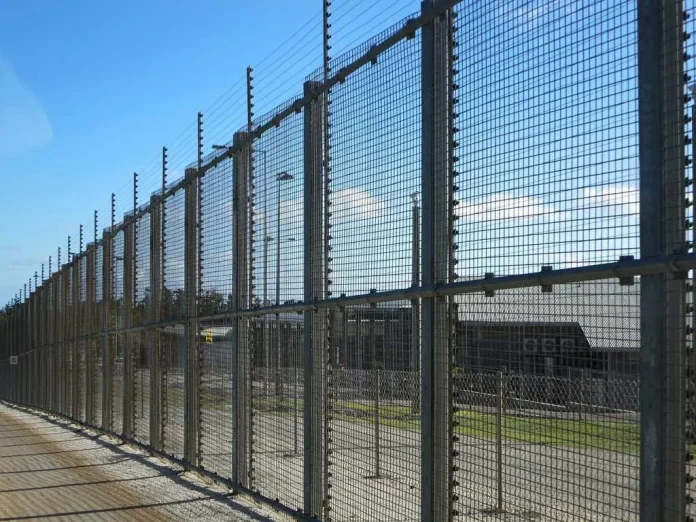


A correctional facility is unlike any other construction project. Beyond walls and foundations, the core of its functionality depends on security systems, detention center doors, and the integration of specialized equipment that must perform flawlessly. Starting a build with a security detention equipment contractor ensures that safety, efficiency, and longevity are baked into the design from the very beginning.
Early Planning of Module Layout with Specialist Input Ensures Smoother Integration into Structural Design
The earliest phase of correctional design is where a specialist’s input matters most. A security detention equipment contractor understands how modules, doors, locks, and control systems need to be arranged to prevent conflicts with the structural framework. This avoids common mistakes such as misaligned corridors, under-sized door frames, or overlooked pathways that are later discovered during installation. Their expertise transforms preliminary sketches into layouts that are compatible with both construction methods and security demands.
This early involvement becomes particularly valuable in modular jails, where efficiency and precision are essential. Because the equipment contractor knows how detention equipment will interact with precast or steel modules, the design phase becomes more streamlined. The end result is a facility where every cell, sally port, and passageway fits together seamlessly, eliminating costly modifications after construction has already begun.
Securing Expert Advice First Cuts Revision Cycles During Construction of Secure Wings
Every revision during a correctional build costs time and money, and changes often come from overlooked equipment requirements. By including detention equipment contractors in the early phases, construction teams benefit from informed decisions before work reaches the field. This reduces back-and-forth cycles of redrawing and revising, and allows builders to lock in final specifications faster.
With security detention equipment contractor involvement, the alignment of detention center doors, locking mechanisms, and surveillance systems is planned before the first wall is set. Secure wings can then be constructed in one continuous phase, without pausing to accommodate unexpected changes. This not only speeds construction but also enhances consistency across the entire facility.
Involving a Security Detention Equipment Contractor from Day One Aligns Equipment Selection with Long-term Facility Goals
Correctional facilities are built for decades of use, and equipment choices made at the start determine long-term performance. A security detention equipment contractor ensures that the detention center doors, locking systems, and control stations specified at the outset meet both today’s standards and future-proof expectations. Their guidance helps avoid selecting equipment that may be outdated or incompatible within a few years.
Aligning equipment selection with operational goals also impacts staffing and maintenance. By incorporating systems that integrate with modular jail construction, facilities can minimize upkeep and ensure that technology upgrades can be implemented without major retrofits. This alignment saves resources over the lifetime of the building and supports safer daily operations.
Coordination of Precast Cell Installation and Security System Setup Becomes Seamless with Contractor-led Guidance
Precast cell installation is a precise process, and any miscalculation can stall construction. With a security detention equipment contractor leading coordination, precast units and embedded security features line up exactly as designed. This minimizes on-site conflicts and reduces the need to adjust finished concrete to accommodate detention equipment.
Beyond structural fit, contractors oversee how wiring, locks, and monitoring devices integrate into precast cells. Their guidance ensures these components are installed as the cells are set, rather than being added afterward in a disruptive and inefficient process. This seamless approach creates a facility where structure and security feel like one system instead of two competing elements.
Foundational Placement of Cell Components and Doors Right from the Start Avoids Costly Retrofits Later
Detention center doors and locking mechanisms must be incorporated into the foundation of a correctional build. If placement is overlooked or poorly planned, retrofitting becomes both expensive and disruptive. A security detention equipment contractor ensures that these elements are accounted for before foundations are poured, eliminating the need for invasive corrections later.
Their planning goes beyond doorframes. Wall reinforcements, chase ways for cabling, and even pathways for future electronic control systems can be built directly into the facility’s bones. With this foresight, the build remains structurally sound while accommodating every detail of a modern security system.
Purchasing Certainty Grows When the Security Contractor Handles Manufacturing, Furnishing, and Installation in One Scope
One of the most overlooked benefits of involving a security detention equipment contractor is procurement efficiency. When the same contractor oversees manufacturing, furnishing, and installation, purchasing becomes streamlined under a single scope. This reduces the risk of mismatched components or delays caused by multiple vendors failing to coordinate.
Detention equipment contractors bring certainty to budgets and schedules by consolidating responsibility. From detention center doors to custom furniture designed for modular jails, every element arrives aligned with project specifications. The single-source approach also simplifies warranty and service agreements, ensuring accountability over the long term.
Risk of Set-up Delays Drops When a One-stop Security Contractor Oversees the Modular Build from Conception
Delays during correctional builds often occur when specialized equipment arrives out of sync with structural progress. With a one-stop security detention equipment contractor involved from the start, schedules are built around both construction and equipment needs. This proactive approach reduces downtime and keeps the build moving at pace.
For modular jails in particular, the value is clear. Because modules are delivered pre-built, the installation of detention equipment must be timed precisely. Contractors experienced in both construction sequencing and security system requirements ensure no step is missed. By managing conception through completion, they reduce risks that typically slow large-scale detention projects and deliver facilities that function exactly as planned.