
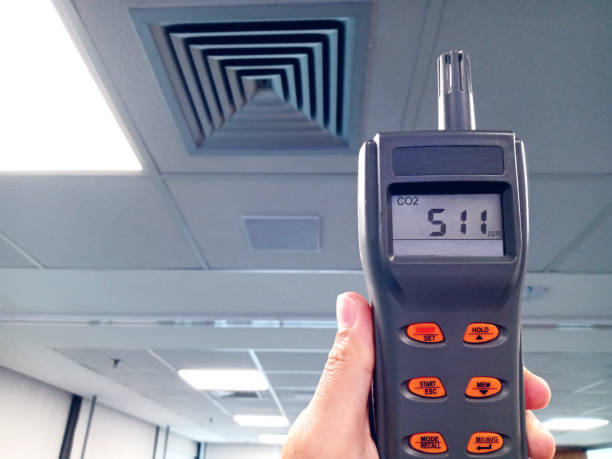


In today’s fast-paced world, people spend nearly 90% of their time indoors—whether at home, work, or school. But while most of us are careful about what we eat and drink, we often overlook the quality of the air we breathe every day. Indoor Air Quality Testing is becoming an essential service for homeowners and businesses alike, helping to detect hidden dangers and ensure safer, healthier environments.
The Hidden Dangers in Your Indoor Air
Indoor spaces may look clean, but the air within can harbor a range of pollutants. Dust mites, pet dander, mold spores, and bacteria are common allergens. But there’s more—volatile organic compounds (VOCs) from cleaning agents, building materials, and furniture can significantly affect your health. Even carbon monoxide and radon, two of the most dangerous invisible gases, may be present without you knowing.
Indoor Air Quality Testinghelps reveal these hidden threats, giving you a clearer picture of what you’re breathing in every day.
Symptoms That Signal Poor Indoor Air Quality
If you’re constantly experiencing headaches, sneezing, sinus congestion, coughing, fatigue, or even frequent asthma flare-ups, your indoor air may be the culprit. Poor air quality doesn’t always produce visible signs, but the effects on your health can be long-lasting.
Children, the elderly, and individuals with respiratory conditions are especially vulnerable to airborne irritants. That’s why timely Indoor Air Quality Testingcan be a game changer in diagnosing and preventing chronic issues related to indoor pollutants.
When Should You Get Indoor Air Quality Testing?
There are several key moments when Indoor Air Quality Testingis not only useful but necessary:
- After water damage or mold growth
- When moving into a new home
- During or after a renovation
- If you notice a musty smell or unusual humidity
- When installing new flooring, furniture, or HVAC systems
- If you or your family members are experiencing unexplained health symptoms
Testing can be customized to your situation, measuring for mold spores, VOCs, carbon dioxide, humidity levels, and more.
What Does the Testing Process Involve?
A professional Indoor Air Quality Testingservice typically involves the use of high-grade equipment to sample and analyze the air in various parts of your home or building. These tests can detect the presence of pollutants, measure ventilation efficiency, and assess humidity and temperature levels.
Once the data is gathered, you’ll receive a detailed report outlining any problem areas, potential health risks, and recommendations for improvement. It’s a fast and non-invasive process that provides valuable peace of mind.
How to Improve Your Indoor Air Quality
Once you’ve had your indoor air tested, there are several steps you can take to improve air quality:
- Increase ventilation with open windows or exhaust fans
- Use HEPA air purifiers in high-traffic or enclosed rooms
- Regularly maintain HVAC systems and change air filters
- Use low-VOC products for cleaning and renovation
- Address mold growth and moisture issues promptly
Taking these actions can dramatically reduce airborne pollutants and create a cleaner, safer environment for everyone.
Conclusion
The air in your home or office can have a greater impact on your well-being than you might think. With the help of Indoor Air Quality Testing, you can take control of your indoor environment, uncover hidden hazards, and make informed decisions to protect your health. Clean air isn’t a luxury—it’s a necessity. Make sure yours meets the standard.