
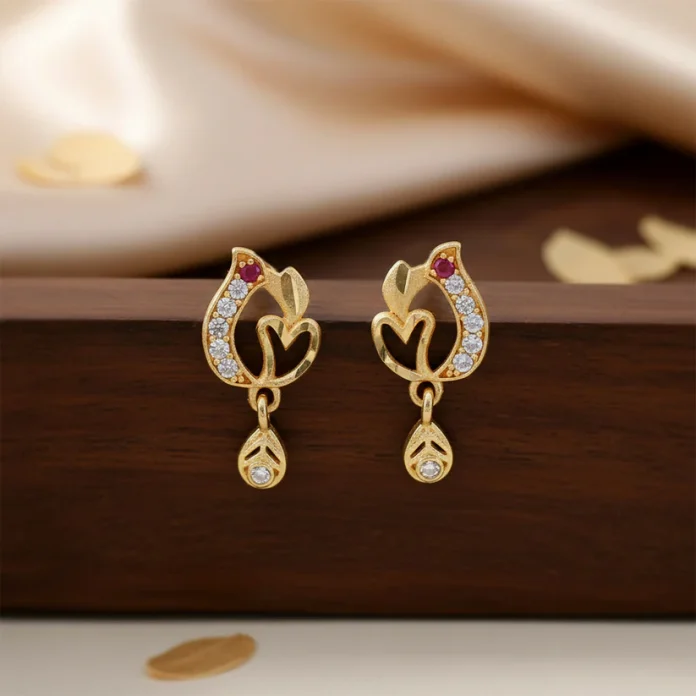


I didn’t plan to think this deeply about accessories, honestly. It started with a random late-night scroll where I clicked on artificial jewellery and somehow lost forty minutes of my life. You know how that goes. One minute you’re just “looking,” next minute your brain is doing math it never does at work. But yeah, this stuff has a weird pull. It’s flashy without screaming, affordable without feeling cheap, and kind of sneaky in how fast it upgrades your whole look.
I used to think fake accessories were only for college festivals or wedding side-quests where you didn’t want to risk losing real gold. Turns out, that idea is pretty outdated. Even Instagram stylists who flex designer bags are casually mixing high-end outfits with non-precious pieces, and nobody’s calling them out. If anything, comments are like “link pls” or “where did u get this???” which tells you a lot about where fashion is sitting right now.
The quiet shift nobody really talks about
Somewhere between inflation memes and thrift-haul reels, people collectively decided that spending a small fortune on everyday accessories makes zero sense. There’s this lesser-known stat floating around that nearly 60 percent of urban shoppers under 35 prefer fashion pieces they can rotate often rather than invest in one “forever” item. That explains why people want variety, not emotional commitment. Sounds harsh, but it’s true.
I felt this personally at a friend’s wedding last year. I wore a heavy necklace that looked expensive, like family-heirloom vibes. At least four people asked if it was real gold. When I said no, the reaction wasn’t shock. It was relief. One girl literally said, “Good, then I won’t feel bad copying you.” That moment stuck with me more than it should have.
Money logic, explained like grocery shopping
Think of it this way. Buying high-end accessories for daily wear is like buying exotic fruit every single week. Fun, impressive, but eventually your wallet starts crying. Going the alternative route is more like picking seasonal veggies. You still eat well, you just don’t stress every time you experiment.
Financially, it’s a smarter move too, even if we don’t always say it out loud. The cost-per-wear drops fast. Lose one piece? Annoying, but not life-ruining. Try a bold style and hate it? Lesson learned, not money wasted. I’ve bought things I was obsessed with for exactly two weeks. If those were precious metals, I’d still be emotionally recovering.
Social media didn’t create this, it just exposed it
There’s a lot of chatter online about “quiet luxury,” but what people actually practice is quiet flexibility. TikTok creators swap accessories between outfits like playlists. Reddit threads are full of users admitting they stopped buying real metals after realizing nobody can tell the difference on a moving human body. Which is fair. Most of us are not standing still under showroom lighting.
There’s also this subtle flex now where people brag about how little they spent. It’s not “look at my diamond,” it’s “guess how much this cost.” That shift says a lot about current consumer mood. Less show-off, more smart-off. If that’s even a word.
A small confession from my side
I used to judge people who changed their accessories every other week. I thought it meant they were indecisive or impulsive. Turns out, I was just jealous of the freedom. Once I started doing the same, getting ready became less stressful. No guilt. No “I should save this for a special day.” Every day could be the day.
Also, tiny detail nobody mentions: lighter pieces are kinder on your neck and ears. By evening, your body thanks you. Not exactly glamorous, but very real.
Why this trend isn’t slowing down anytime soon
With gold prices doing their unpredictable rollercoaster thing and people being more cautious about spending, flexible fashion wins. Especially in cities where trends change faster than phone models. People want options. They want to match moods, not mortgages.
There’s also an emotional side to it. Changing accessories feels like a reset. Bad day? New earrings. Boring outfit? One statement piece and suddenly you tried. It’s small, but it works. Kind of like changing your phone wallpaper and pretending life is new again.
Ending where I circle back, because that’s how thoughts work
I still like real gold. Let’s not pretend I don’t. But for daily life, for experimenting, for not overthinking every choice, artificial jewellery just makes more sense right now. It fits how people actually live, scroll, spend, and change their minds. And honestly, if fashion is supposed to be fun, stressing over price tags kind of defeats the point.