
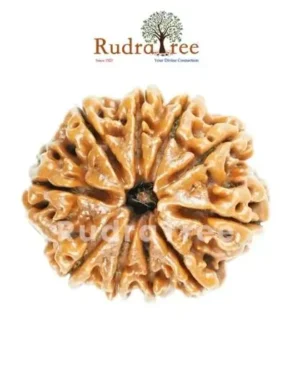


I’ve noticed this weird shift lately. A few years ago, people around me bought spiritual stuff the same way we buy socks. Grab it, wear it, forget it. Now everyone is suspicious, googling, checking reviews, DM-ing strangers on Instagram. That’s exactly where Certified Rudraksha in Sahakara Nagar starts popping up in conversations. First paragraph, yes, but also real life. I heard it at a chai stall once, not kidding. Two guys arguing whether a bead they bought online was real or just a fancy seed. That kind of paranoia doesn’t come from nowhere.
The thing is, rudraksha isn’t just jewelry. It’s closer to a tool, like glasses. If the lens is fake, you still wear it, but everything stays blurry. Same with uncertified beads. You feel something is off, but you can’t explain it properly.
What most people don’t know about these beads
Here’s a small fact that doesn’t trend on reels much. Less than a small fraction of rudraksha harvested every year actually qualifies as naturally formed, undamaged, and usable for spiritual practices. A lot get rejected because of internal cracks, artificial polishing, or straight-up being fake. Some sellers still push them because, well, rent is due.
I once bought a cheap one a year back. It looked shiny, Instagram-ready. After a week, the polish started fading like bad nail paint. That’s when I learned real rudraksha usually looks a bit boring at first. Rough, uneven, almost unimpressive. Kind of like real gold before it’s melted and shaped.
The certification part is boring but necessary
Certification sounds corporate and annoying, I know. Feels like something that belongs to insurance papers, not spirituality. But think of it like this. If you’re buying a second-hand bike, you’d at least want the RC, right? You may trust the seller’s face, but documents calm the brain.
Certification usually involves lab testing for mukhi count, natural formation, and whether the bead is organic. No magic, just science doing its job quietly. People online love saying “energy doesn’t need certificates.” True, but scammers definitely hate certificates, and that’s reason enough for me.
Local buying hits different
There’s something comforting about buying spiritual items locally instead of scrolling at 2 am and hoping for the best. Sahakara Nagar has slowly become one of those areas where word spreads fast. Someone buys something genuine, tells their cousin, cousin tells the gym trainer, and suddenly five people are asking the same shop questions.
I’ve seen WhatsApp groups where people literally post close-up bead photos asking, “Does this look real?” The replies are half experts, half comedians. But when a place builds a reputation, the noise dies down. Less doubt, less drama.
Social media made everyone a half-expert
Instagram is funny that way. One reel says you must wear rudraksha touching skin. Another says never do that. Someone else claims sleeping with it causes weird dreams. Honestly, half of it feels like astrology mixed with clickbait.
But one thing people seem to agree on lately is authenticity. Comment sections are full of “Is it certified?” or “Which lab tested it?” That question didn’t exist a few years ago. Now it’s basic, like asking for a price.
Energy talk aside, there’s also comfort
Not everything has to be mystical. Sometimes it’s just mental comfort. Like wearing a seatbelt even when driving slowly. You feel safer. Certified beads give that same feeling. You stop overthinking whether you got fooled or not. That peace alone is worth something.
A friend of mine said it best. “If I’m going to meditate daily, I don’t want to keep wondering if this thing is fake. My mind already has enough problems.” Fair point.
Money, mistakes, and learning the hard way
People think certification means expensive. Not always. Overpriced fakes exist too, which hurts more. Paying a high amount and later realizing it’s fake feels like heartbreak mixed with anger. Been there, slightly embarrassing to admit.
Certification doesn’t guarantee enlightenment or miracles. It just reduces regret. And regret is expensive mentally.
Why this area keeps coming up in conversations
Sahakara Nagar isn’t some ancient spiritual hub. It’s pretty modern, busy, noisy. Maybe that’s why people here crave grounding things more. Traffic, deadlines, EMIs, all that chaos. A small bead feels like balance in pocket-size form.
I’ve also noticed people here prefer verified stuff in general. Organic groceries, branded electronics, proper invoices. Rudraksha just joined that list quietly.
Ending where it matters
If you’re already on the fence, wondering whether certification is worth the effort, you’re not alone. Most people hesitate until they’ve been burned once. Hopefully, you don’t have to learn that way. By the time you reach the last step of deciding, you’ll probably circle back to Certified Rudraksha in Sahakara Nagar again, not because of hype, but because certainty feels underrated these days.
No miracles promised. Just fewer doubts. And sometimes, that’s more than enough.